
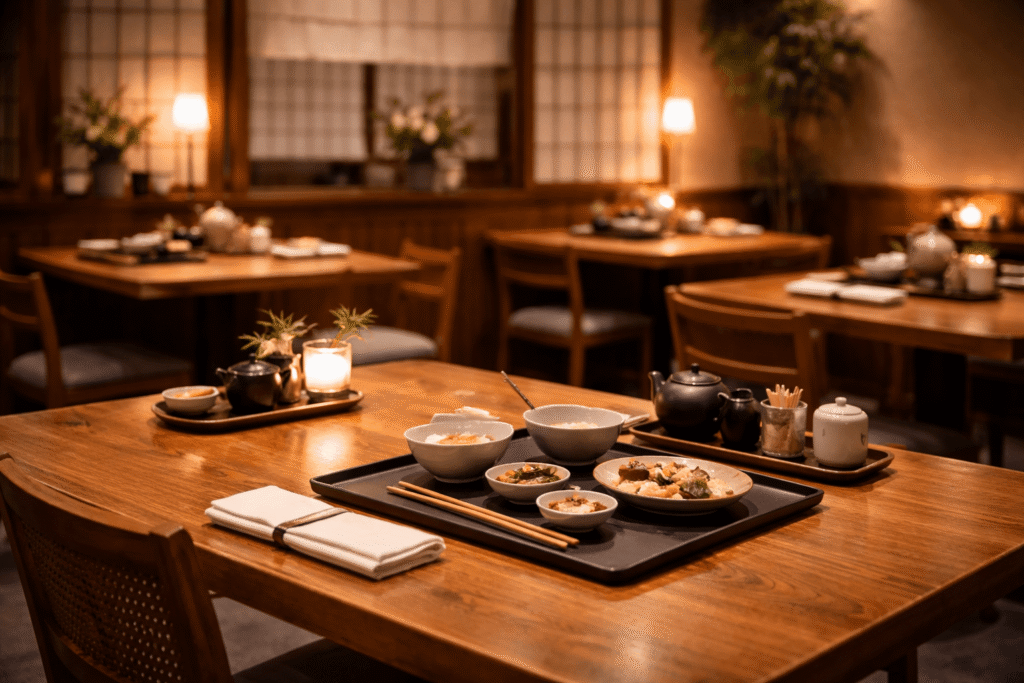
In Japan, the best “tip” is often not money. This article explains what appreciation usually looks like instead, from simple thanks and respectful behavior to making the shared atmosphere easier for everyone.
Watch the video: The Best Tip in Japan
Many visitors ask the same question after learning that tipping is uncommon in Japan:
If money is not the right way to show appreciation, then what is?
The answer is surprisingly simple.
In Japan, the best “tip” is often not extra cash. It is the way you behave, the way you speak, and the way you leave the shared atmosphere feeling good for everyone.
A sincere thank you often matters more than money
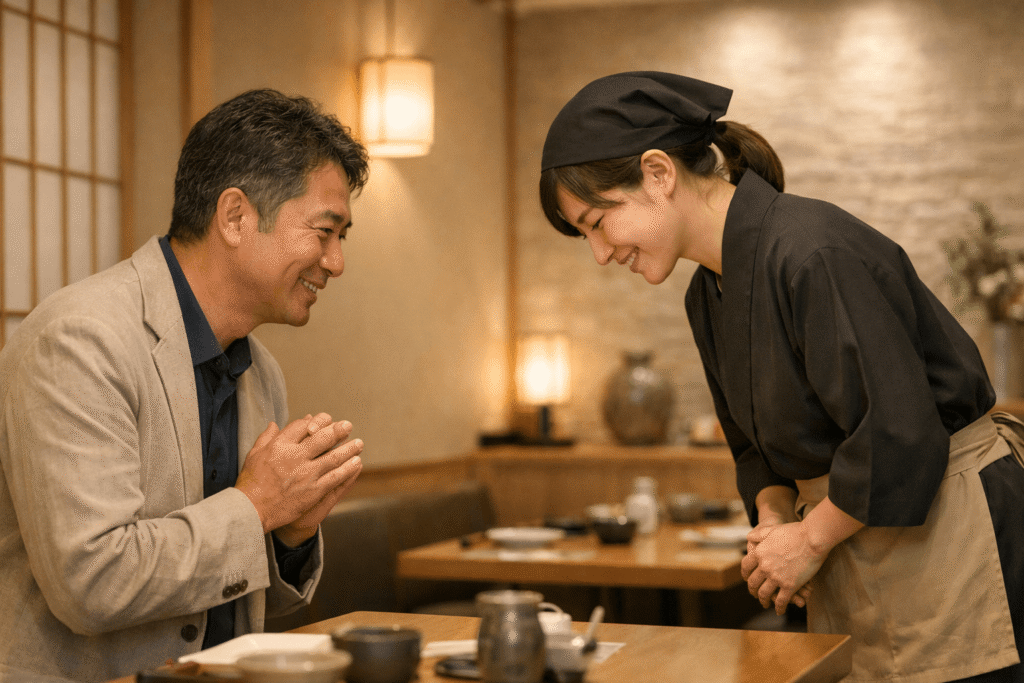
One of the most natural ways to show appreciation in Japan is simply to say thank you.
That may sound small, but in many situations it fits the culture much better than offering extra money. A warm “thank you,” a small nod, or a respectful tone often feels more natural than tipping.
This is because gratitude is not absent in Japan. It is just expressed differently.
Instead of adding money after the experience, appreciation is often communicated through words and attitude during the experience.
Being an easy customer is part of respect
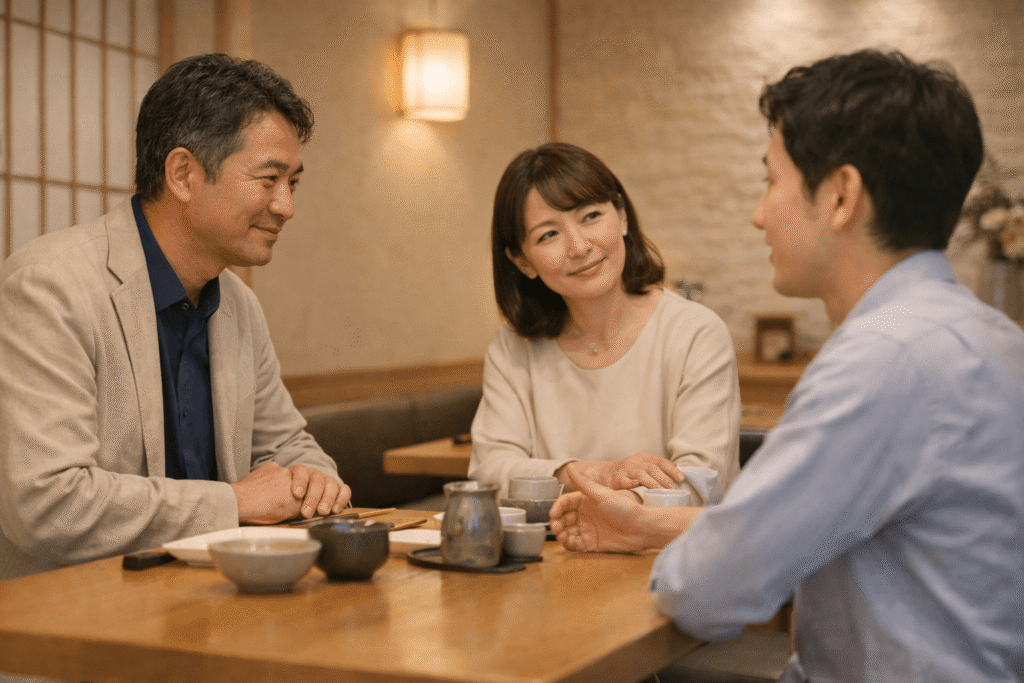
Another important point is that politeness in Japan is not only about what staff do. It is also about how customers behave.
Speaking at a moderate volume, not making unnecessary demands, following the flow of the place, and keeping the shared space comfortable can all be part of good manners.
In that sense, being an easy customer can itself be a form of appreciation.
You are helping the service stay smooth, calm, and respectful.
The best tip is helping the experience stay smooth
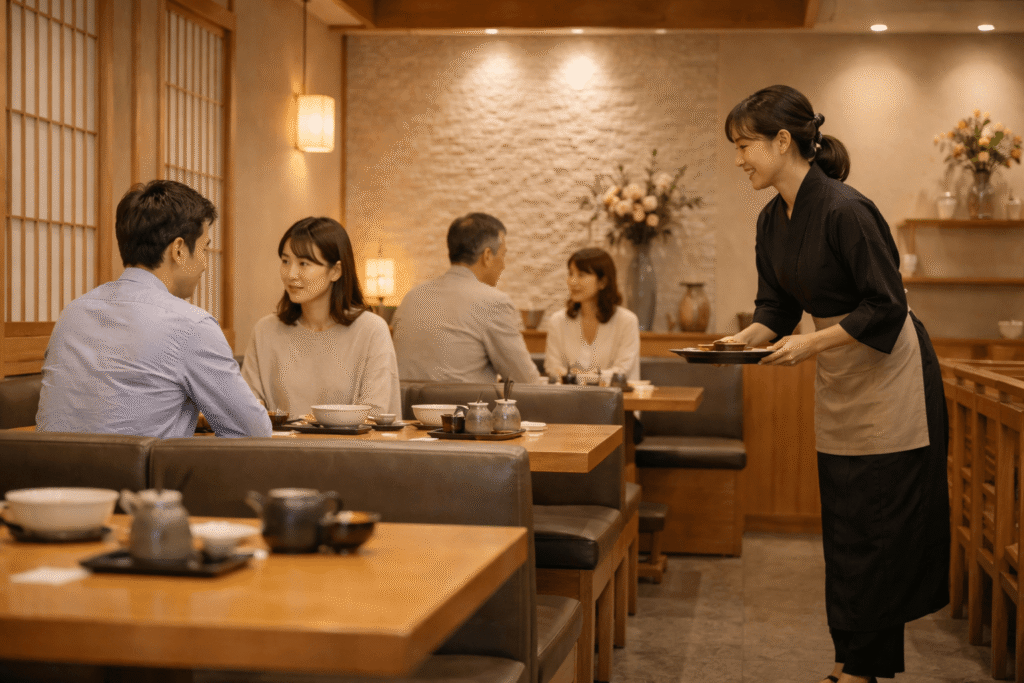
This is where the idea becomes especially interesting.
In places where service is already included and tipping is not expected, the most helpful thing a customer can do is often to support the overall atmosphere.
That does not mean staying silent in a forced way. It means reading the room a little, respecting the shared space, and finishing the interaction in a pleasant way.
In Japan, that can mean more than extra cash.
Appreciation is often quiet, not performative
In some cultures, appreciation is made visible through a clearly extra gesture.
In Japan, it is often quieter.
A short thank you. A small bow. A respectful tone. A smooth exchange at the end of the meal.
These gestures may look modest, but they often match the local meaning of respect much more closely.
Final thoughts
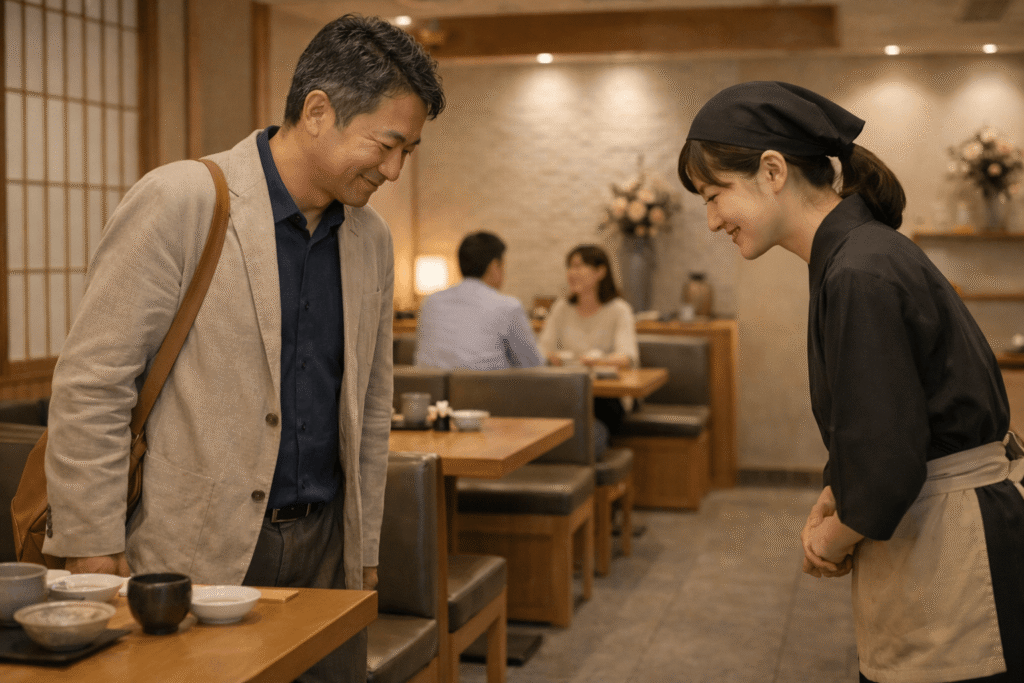
If you want to leave the “best tip” in Japan, it is usually not money.
It is gratitude expressed in a way that fits the place:
simple words, respectful behavior, and an awareness of the shared atmosphere.
That is why the best tip in Japan often feels less like giving something extra, and more like helping the whole experience end well.