
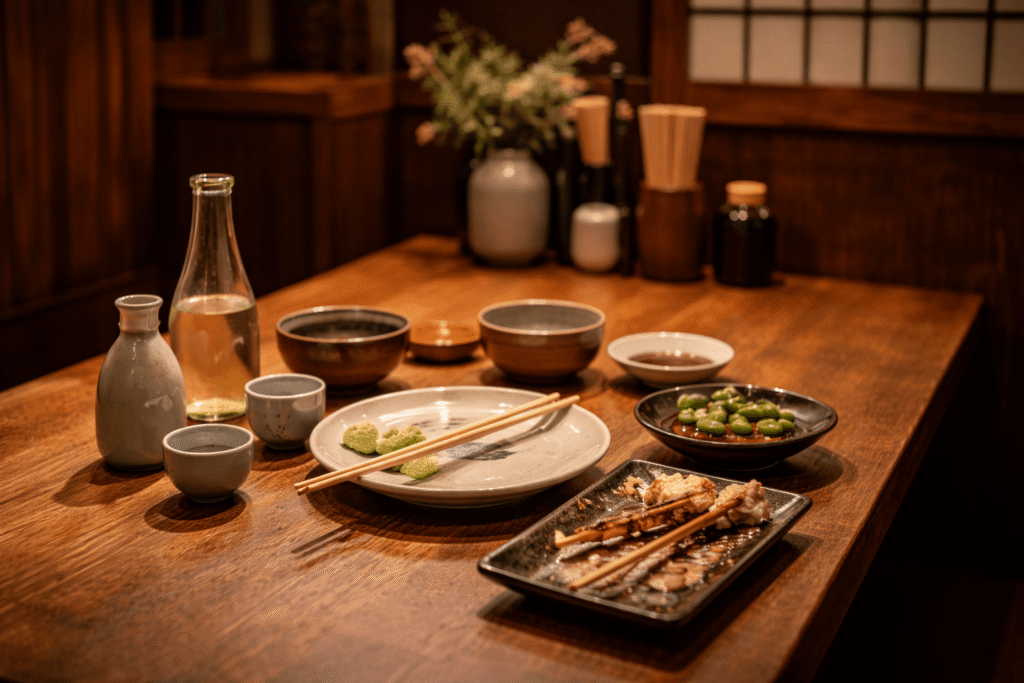
Many visitors understand that tipping is uncommon in Japan, but still wonder what actually happens if they try.
Watch the video: If You Try to Tip in Japan…
The most common response is a polite refusal
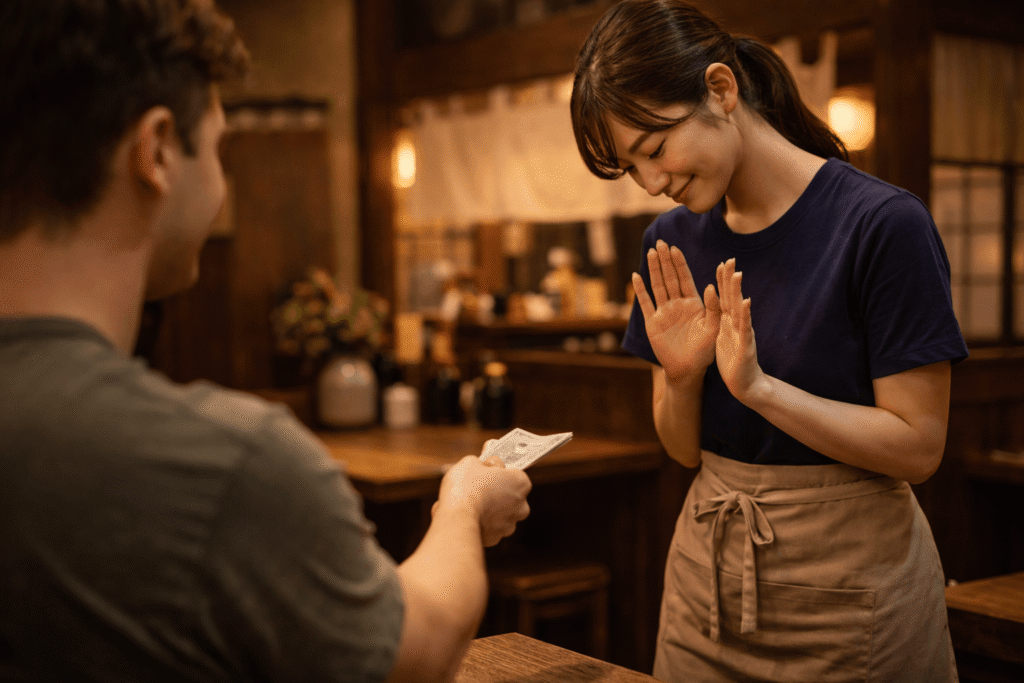
If you try to leave extra money after a meal in Japan, the most likely reaction is a soft refusal.
The staff member may smile, wave their hand lightly, or return the money with a polite expression. In many cases, the moment stays calm and respectful.
This is why the experience often feels awkward rather than dramatic.
Nothing “bad” happens. There is usually no argument, no anger, and no public embarrassment. The gesture just does not fit the expected pattern.
Sometimes the staff may look confused
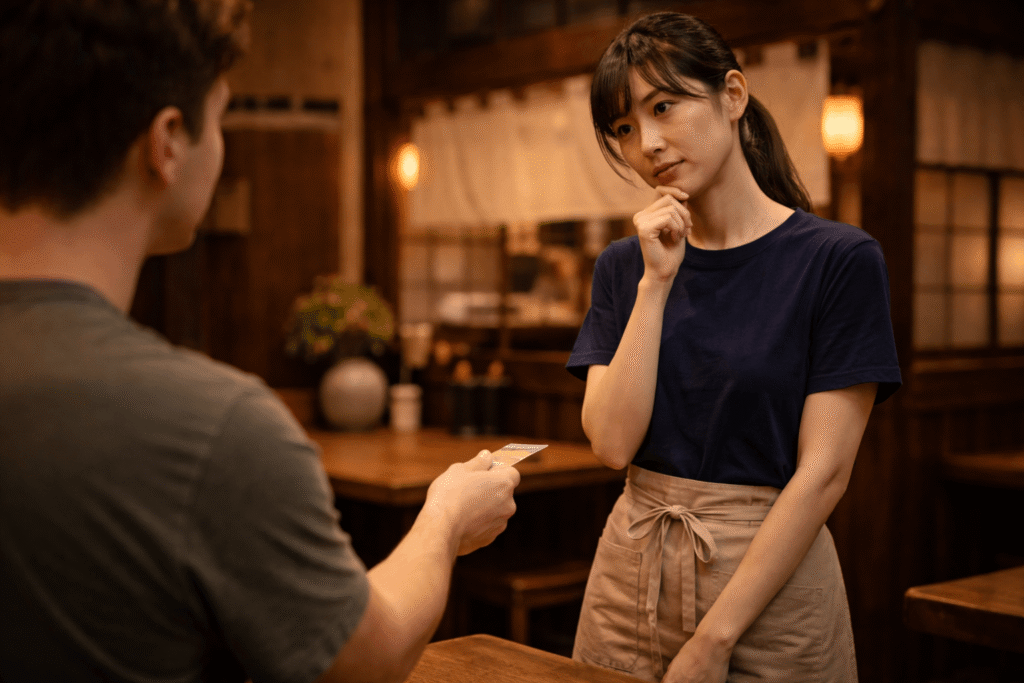
In some situations, the reaction is not only refusal but hesitation.
The person may pause for a second, look unsure, or seem to wonder what you mean. This does not necessarily mean you have offended them. It usually means the social meaning of the gesture is not immediately clear in that context.
In places where tipping is not built into normal service, extra cash can look unexpected rather than generous.
That is why some visitors come away thinking, “They looked uncomfortable.”
The reaction is usually about mismatch, not offense
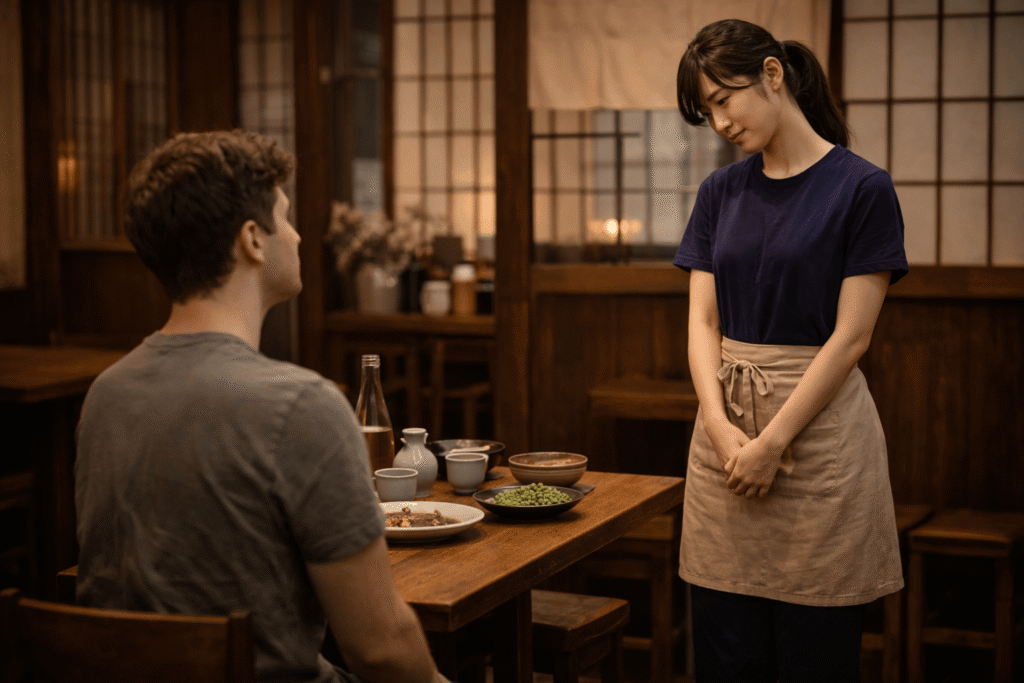
This is the most important point.
If tipping feels strange in Japan, it is usually because it creates a mismatch between your intention and the local expectation.
You may mean gratitude. The other person may read it as unnecessary, unusual, or simply outside the normal flow of service.
That gap creates the awkwardness.
So the moment is usually not about insult. It is about different cultural logic.
In some cases, staff may return the money to you
Visitors sometimes tell stories about leaving money on the table and then being followed by staff who return it.
That can feel surprising, but the meaning is usually straightforward. The staff believes you forgot your money, or they feel responsible for making sure the payment process is correct.
Again, the issue is not hostility. It is that extra money after the bill often does not register as a normal social custom.
The most natural alternative is simple
If you want to show appreciation in Japan, the easiest approach is usually the best one.
Say thank you. Be polite. Acknowledge the service warmly. In many cases, that fits the culture more naturally than tipping.
The point is not that kindness is unwelcome.
It is that kindness is often expressed differently.
Final thoughts
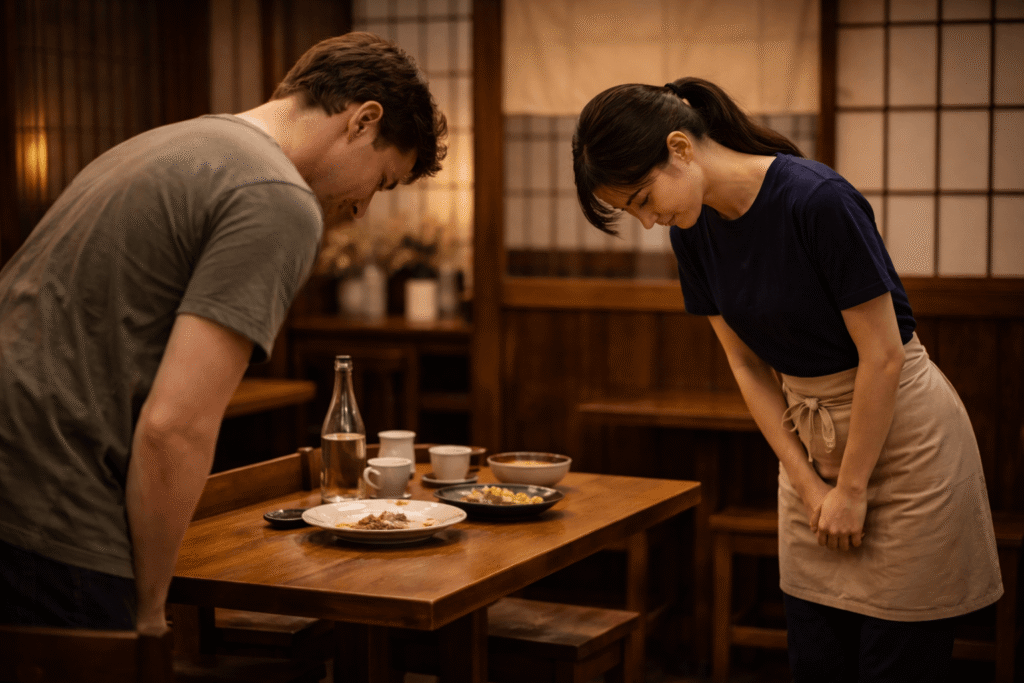
If you try to tip in Japan, the most likely outcome is a polite refusal, a moment of confusion, or a staff member returning the money.
That does not usually mean you have done something terribly wrong.
It simply means the gesture does not match the local structure of service and politeness.
In Japan, appreciation is usually better expressed through words, tone, and respectful behavior than through extra cash.
If tipping feels unnecessary in Japan, the next useful question is broader: why is Japanese service expected to be good from the start?