Japan often feels safe in ways that visitors notice immediately. This article explains why, from predictable public behavior to clean shared spaces and the visible presence of local safety systems.
Watch the video: Why Japan Feels So Safe
Japan often feels safe before visitors can even explain why.
People notice it while walking at night, waiting at stations, or simply moving through everyday streets. The feeling is not only about crime statistics or official systems. It is also about atmosphere.
So why does Japan feel so safe?
The answer usually comes from many small things working together. Public behavior is easier to predict. Shared spaces are cleaner and calmer. And visible systems of order make people feel that someone is paying attention.
Safety is built into everyday behavior
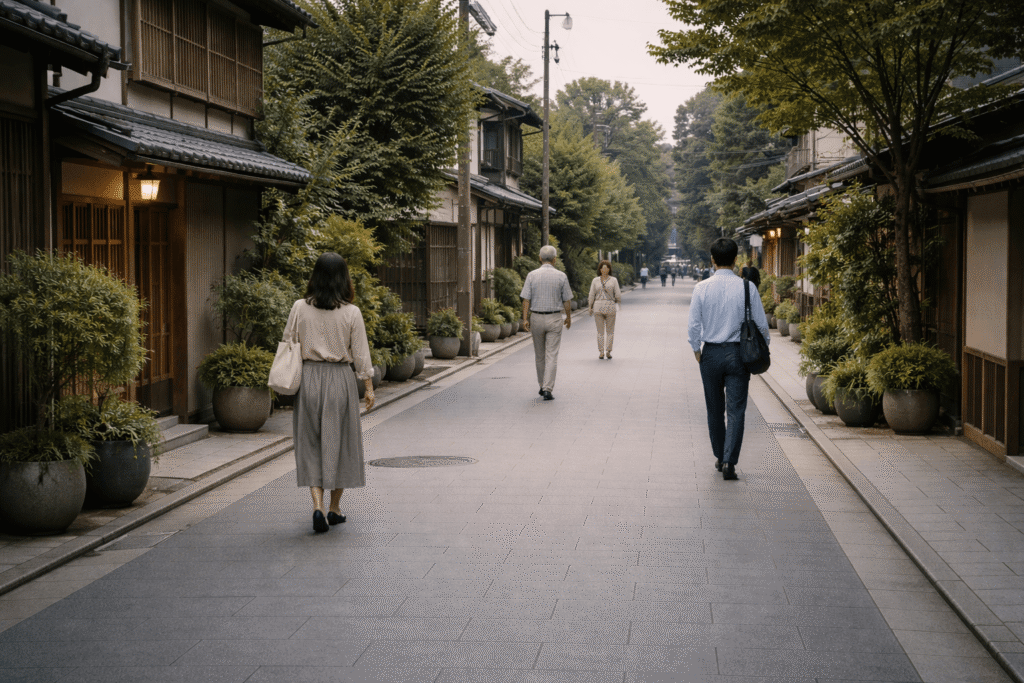
One reason Japan feels safe is that people often behave in ways that reduce uncertainty.
Pedestrians usually move in a predictable flow. Queues form naturally. Public behavior tends to stay controlled, even in busy places. That does not mean everyone follows the rules perfectly, but the overall pattern is easier to read.
This matters more than many visitors expect.
A place can feel safer when people around you seem easier to understand. When movement is more orderly and social behavior is less aggressive, the environment feels less threatening.
The environment also lowers stress
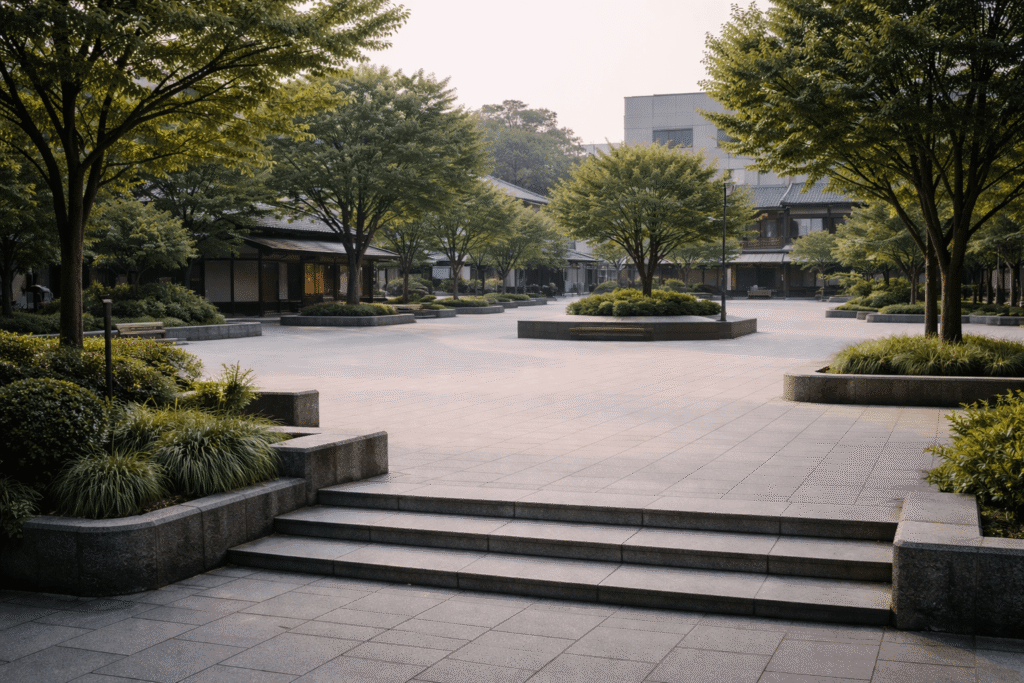
Japan’s streets, stations, and public spaces are often clean and well maintained.
That may sound simple, but it changes how people feel. When a place looks cared for, it often feels more stable. When public spaces are less chaotic, visitors have fewer signals telling them to stay alert.
In other words, safety is not only about danger being absent. It is also about stress being lower.
That is one reason Japan can feel safe even to first-time visitors.
Visible systems matter more than people realize
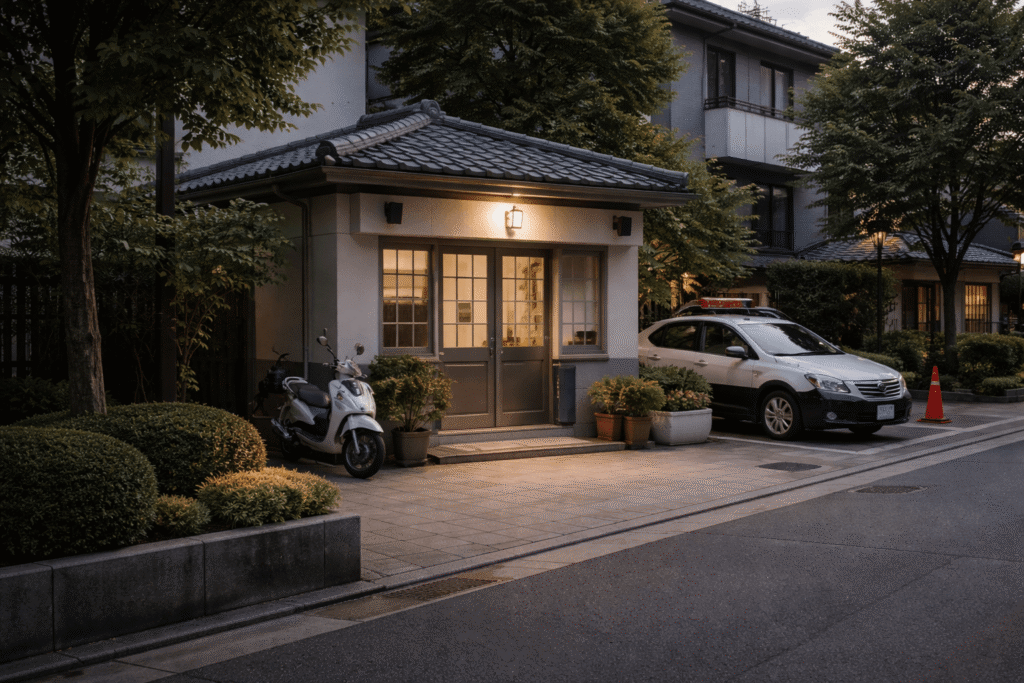
Another reason is that systems of order are visible.
Police boxes, clear train platforms, organized crossings, and structured public routines all make the city feel more readable. Even when people do not consciously think about these systems, they feel their effect.
A place often feels safer when help seems nearby and rules feel real.
Japan’s safety is not just a private feeling. It is reinforced by an environment that quietly signals structure.
Safety and quietness are connected
This is also one reason safety and quietness often appear together in Japan.
When people are adjusting to shared space, moving in predictable ways, and keeping public behavior under control, both quietness and safety become easier to feel.
They come from the same cultural habit: awareness of others.
That does not make Japan perfect, and it does not mean every place feels the same. But it helps explain why many visitors describe the country as both calm and safe.
Final thoughts
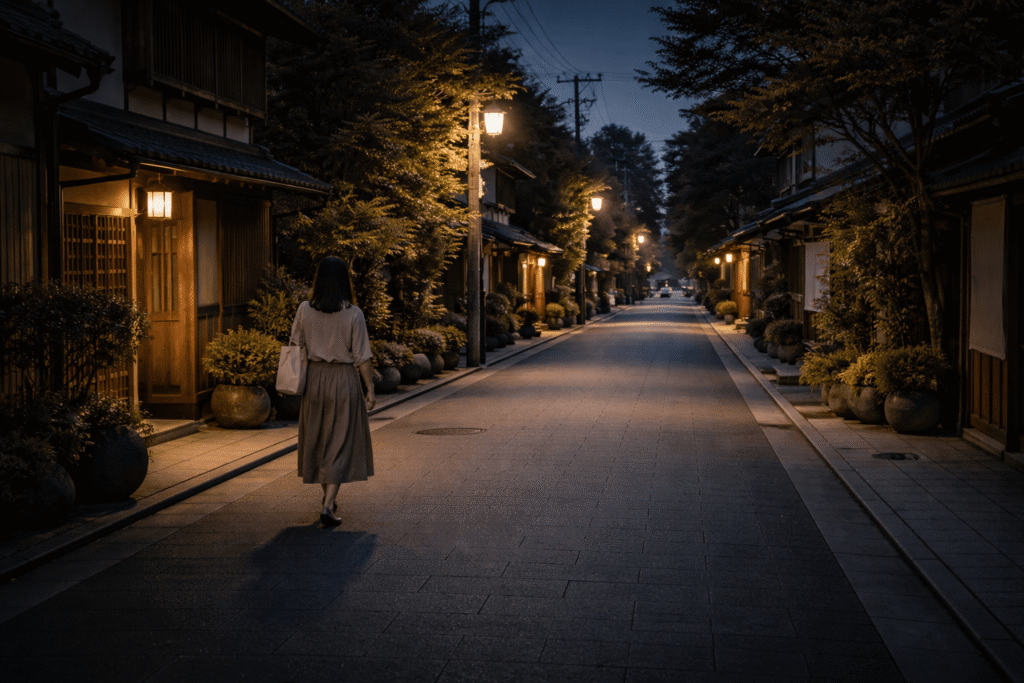
Japan feels safe not only because of rules or institutions, but because many small parts of daily life reduce uncertainty.
People can often sense that the environment is shared, watched, and maintained.
That is why safety in Japan often feels immediate.
It is not only about protection.
It is about predictability, order, and social trust.
If Japan feels safe because everyday life is easier to read, the next question becomes more cultural: why do Japanese people rarely tip?