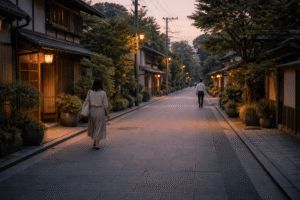
Japan often feels unusually quiet, even in busy places. This article explains why that happens, from social awareness and train manners to the way public space is shared.
Japan often feels quiet in a way that surprises visitors.
Even in places that are busy, the atmosphere can feel calm. Trains are crowded, streets are active, and stations are full of movement, but the overall impression is often much quieter than people expect.
So why does Japan feel this way?
Watch the video: Why Japan Is So Quiet
The answer is not just “because people are silent.” It is more about how people share space, how they read the mood around them, and how everyday behavior is shaped by awareness of others.
It’s not just silence. It’s social awareness.
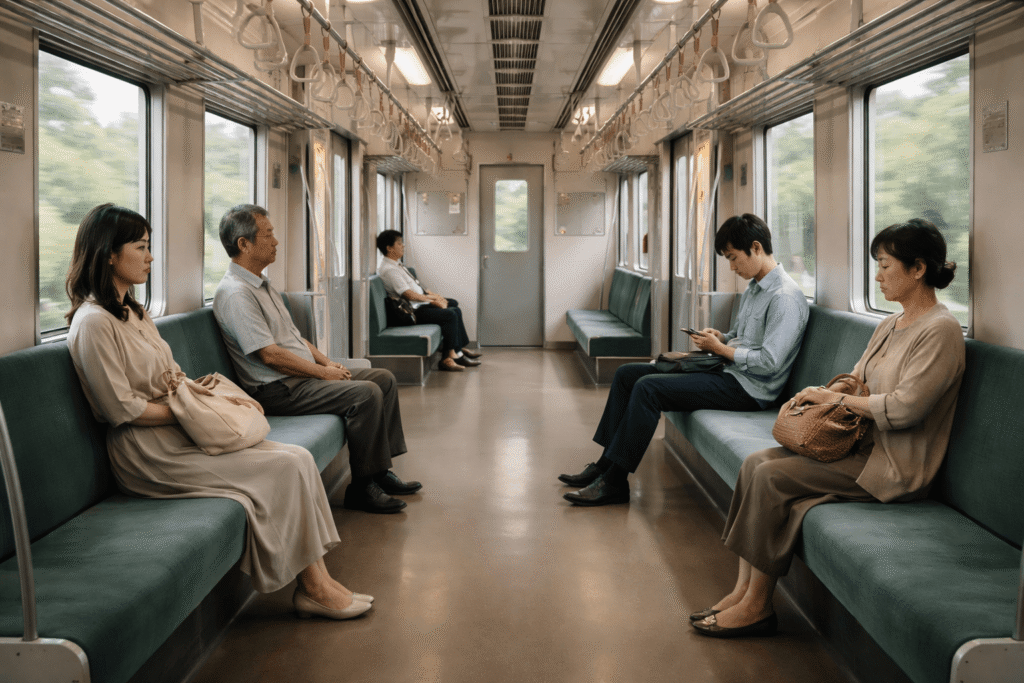
One reason Japan feels quiet is that people are often careful not to disturb others.
This shows up in small ways. People lower their voices in trains. Phone calls are avoided in many public spaces. Conversations tend to stay short and controlled in places where many strangers are sharing the same environment.
This does not mean people are cold or unfriendly. In many cases, it means the opposite. Quietness can be a way of showing respect.
Instead of expressing yourself outwardly all the time, there is often value placed on noticing the people around you and adjusting your behavior.
Public spaces in Japan are shared differently
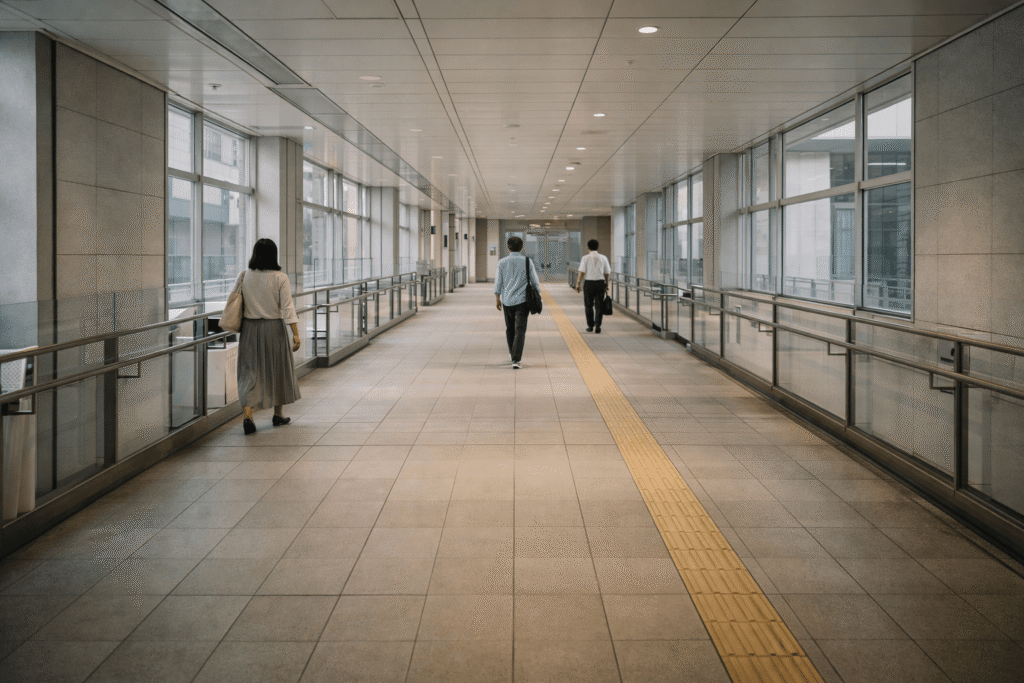
Another reason is that public spaces are treated as shared spaces, not personal extensions.
In some countries, public places feel like areas where each person naturally carries their private energy into the open. In Japan, there is often more pressure, or more habit, to match the atmosphere of the place.
On a train, the expected mood is calm. In a queue, the expected mood is orderly. In a quiet street, the expected mood is restrained.
Because many people follow the same invisible rules, the whole space feels more controlled and less noisy.
Quiet is also connected to predictability
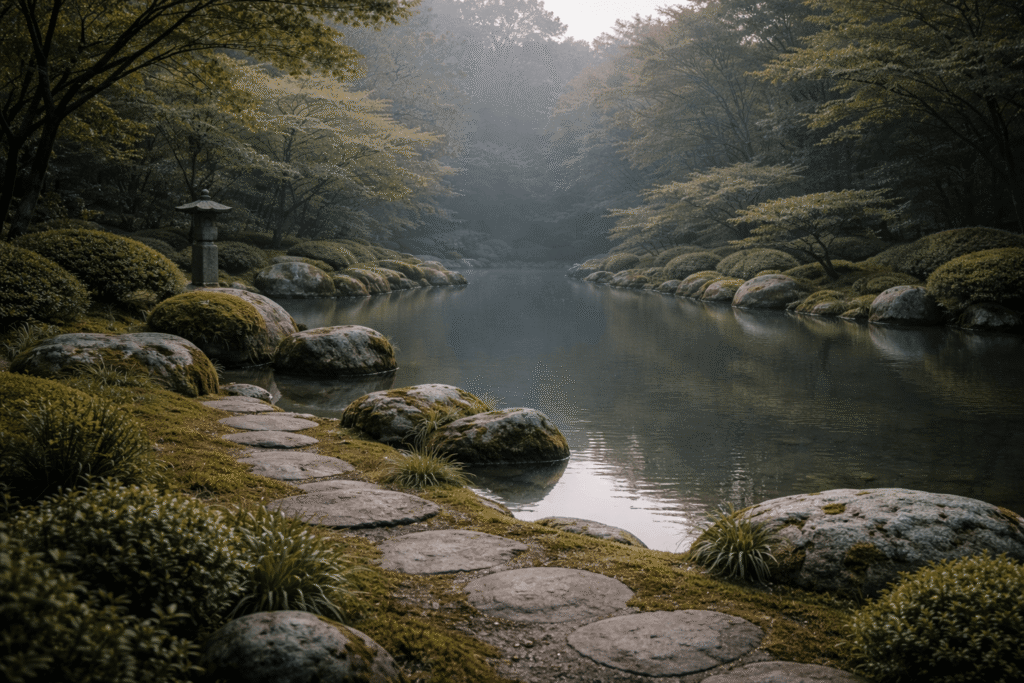
Quietness in Japan is not only about sound. It is also about rhythm.
People often move in a more predictable way. Lines form naturally. Public behavior follows patterns. Daily life can feel smoother because fewer people are trying to stand out in the same moment.
That predictability reduces friction. And when there is less friction, places often feel quieter, even if they are not literally silent.
This is one reason visitors often say Japan feels calm.
It’s not perfect, and it’s not universal
Of course, Japan is not quiet everywhere.
There are loud neighborhoods, busy festivals, crowded entertainment areas, and moments of real noise. The point is not that Japan is silent all the time.
The point is that in many everyday situations, the baseline feels quieter than what many visitors are used to.
And that difference is often cultural before it is physical.
Final thoughts
Japan feels quiet not only because people speak less, but because many people are constantly adjusting to the shared space around them.
That is why the quiet in Japan often feels intentional.
It is not empty silence. It is social balance.
If Japan’s quietness feels intentional, the next question is just as interesting: why does Japan also feel so safe?