
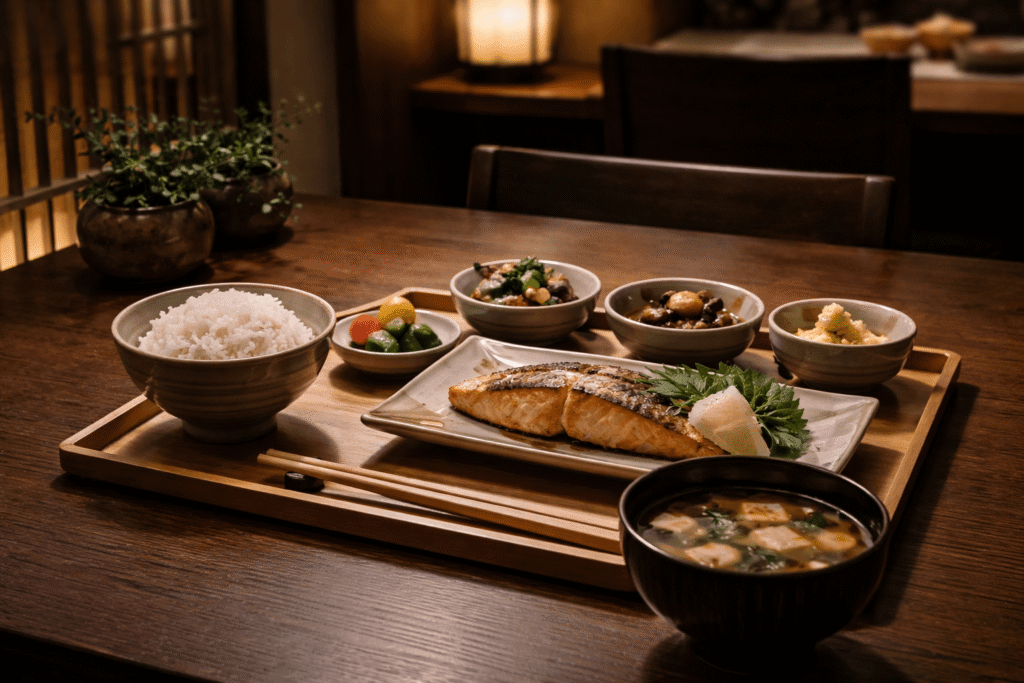
Many visitors are surprised that tipping is uncommon in Japan. This article explains why, from service culture and pricing expectations to the way politeness is understood in everyday life.
Many visitors are surprised when they learn that tipping is not really part of everyday life in Japan.
In many countries, leaving a little extra after a meal feels normal. It can signal appreciation, friendliness, or respect for good service. In Japan, however, that same gesture often feels unnecessary.
Watch the video: Why People Don’t Tip in Japan
So why don’t Japanese people tip?
The answer is not that service is bad, and it is not that people do not appreciate effort. In fact, it is often the opposite. Tipping feels uncommon in Japan because good service is already expected, included, and understood differently.
Service in Japan is not usually treated as extra
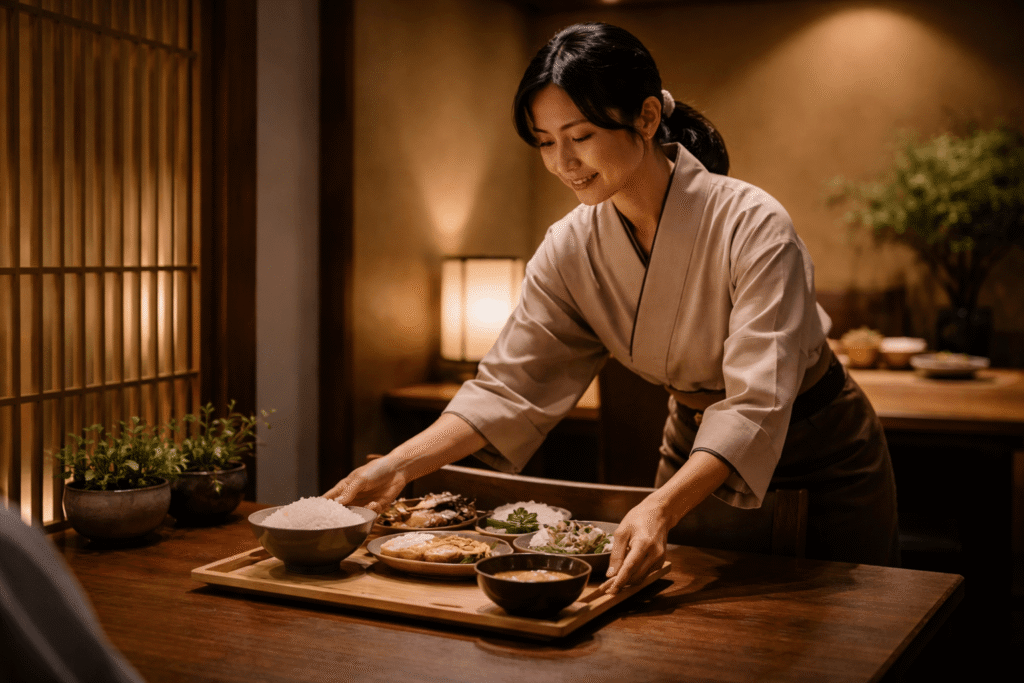
One reason tipping feels unusual in Japan is that service is often seen as part of the job, not something additional that must be rewarded separately.
In restaurants, hotels, stores, and many other places, politeness and attention to detail are often treated as the basic standard. Customers are not expected to pay more in order to receive respectful service.
That can feel surprising to visitors, especially if they come from places where service quality and tipping are closely connected.
In Japan, the idea is often simpler: if you are paying for the service, the service should already be good.
The price is expected to be the price
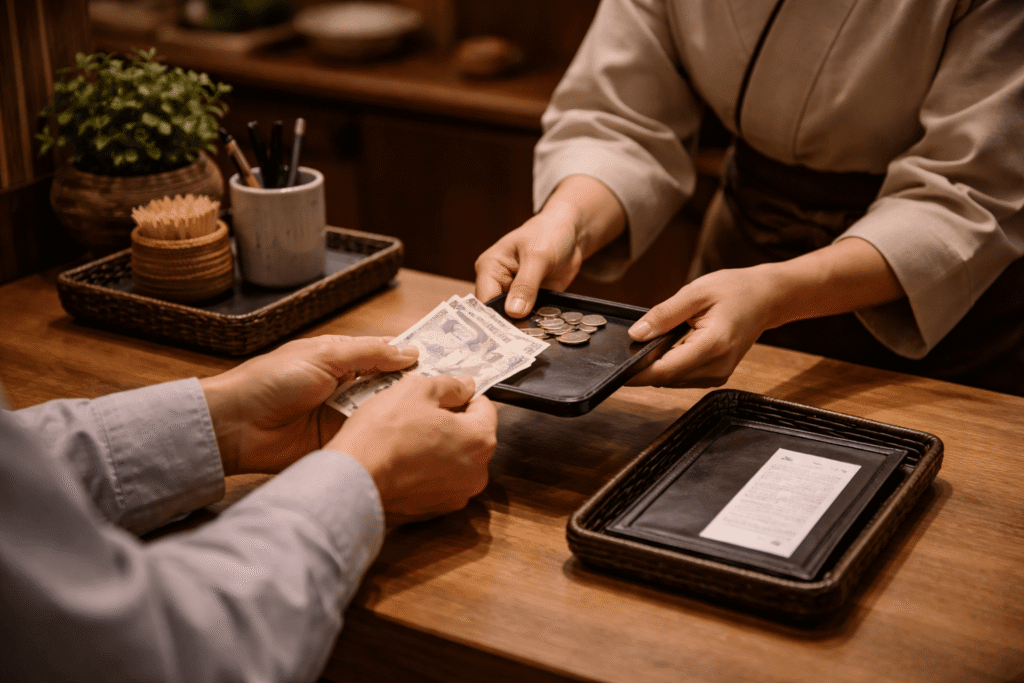
Another important reason is the way pricing is understood.
In many situations in Japan, the amount on the bill is expected to be the full amount. People generally do not assume there will be an additional social payment afterward.
That creates a cleaner feeling around transactions. What you owe is clear. What the business provides is clear. The relationship feels more complete inside the posted price.
This is one reason tipping can feel culturally out of place. It adds something extra to a system that is often designed to feel settled already.
Trying to tip can feel awkward rather than generous
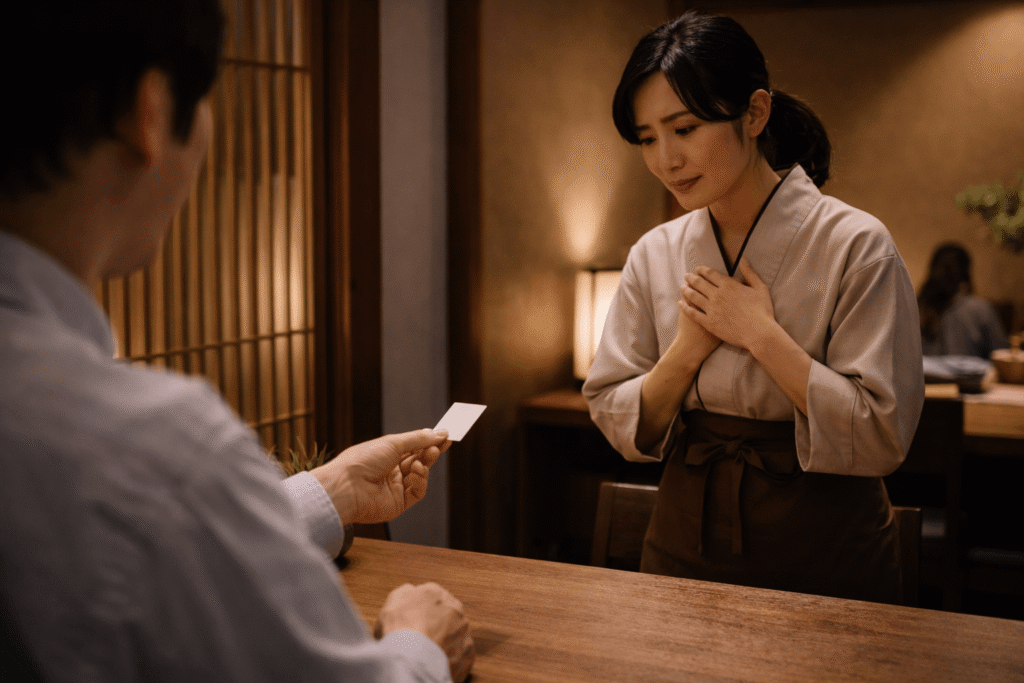
For many visitors, tipping feels like a polite gesture. But in Japan, it can sometimes create confusion.
A staff member may politely refuse it, not because they are offended in a dramatic way, but because it does not fit the normal pattern of service. In some situations, accepting extra cash personally may also feel inappropriate.
So the issue is usually not rudeness. It is mismatch.
A gesture that feels warm and respectful in one culture may feel unnecessary or uncomfortable in another.
Gratitude is shown differently
This does not mean appreciation disappears. It is simply expressed in other ways.
A sincere thank you, respectful behavior, and smooth interaction often matter more than extra money. Being considerate as a customer can itself be a form of politeness.
In that sense, Japan is not a place without gratitude. It is a place where gratitude is often separated from tipping.
Final thoughts
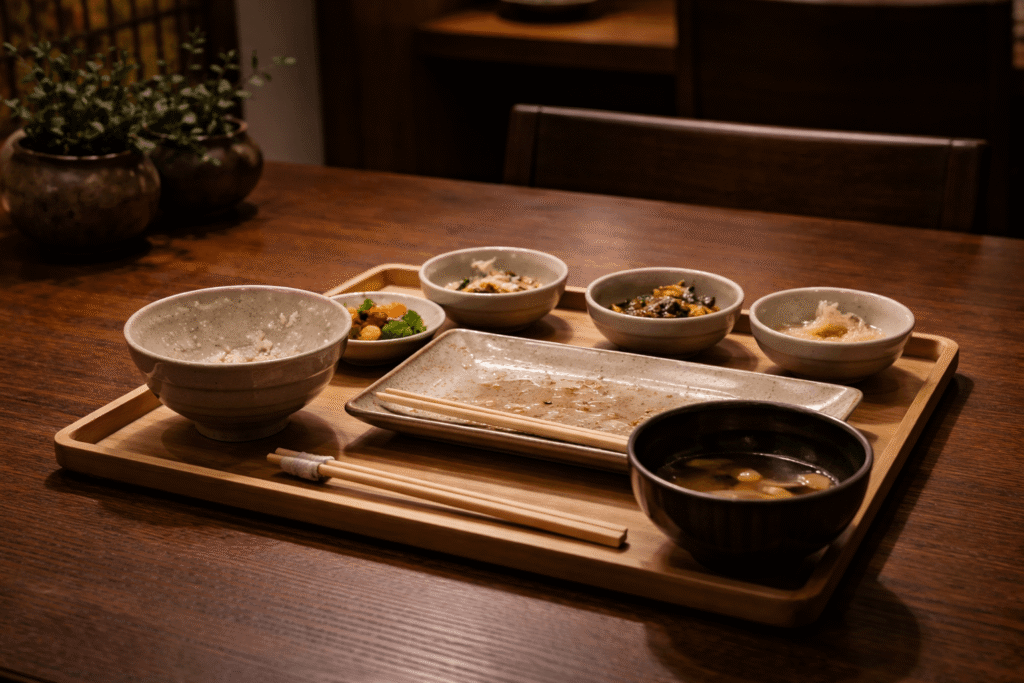
Japanese people usually do not tip because service is already built into the experience, the price is expected to be complete, and politeness is expressed differently.
That is why tipping in Japan often feels unnecessary rather than expected.
It is not about being cold.
It is about a different understanding of service, price, and respect.