
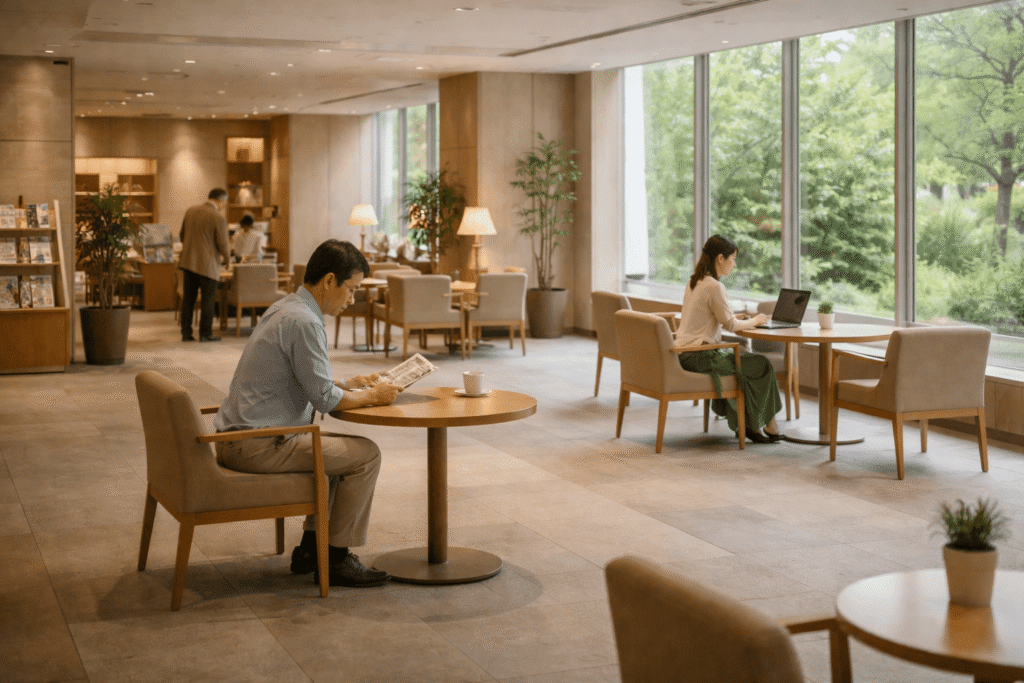
Many visitors notice that silence in Japan feels meaningful, not empty. This article explains why quietness matters, from respect for shared space to the way calm behavior supports everyday social trust.
Watch the video: Why Silence Matters in Japan
Many visitors notice that silence in Japan feels different.
It does not always feel empty. In many situations, it feels intentional, almost like part of the structure of everyday life.
So why does silence matter in Japan?
The answer is not simply that people talk less. Silence often matters because it makes shared space easier, reduces tension, and signals awareness of others.
Silence helps shared spaces feel easier to use
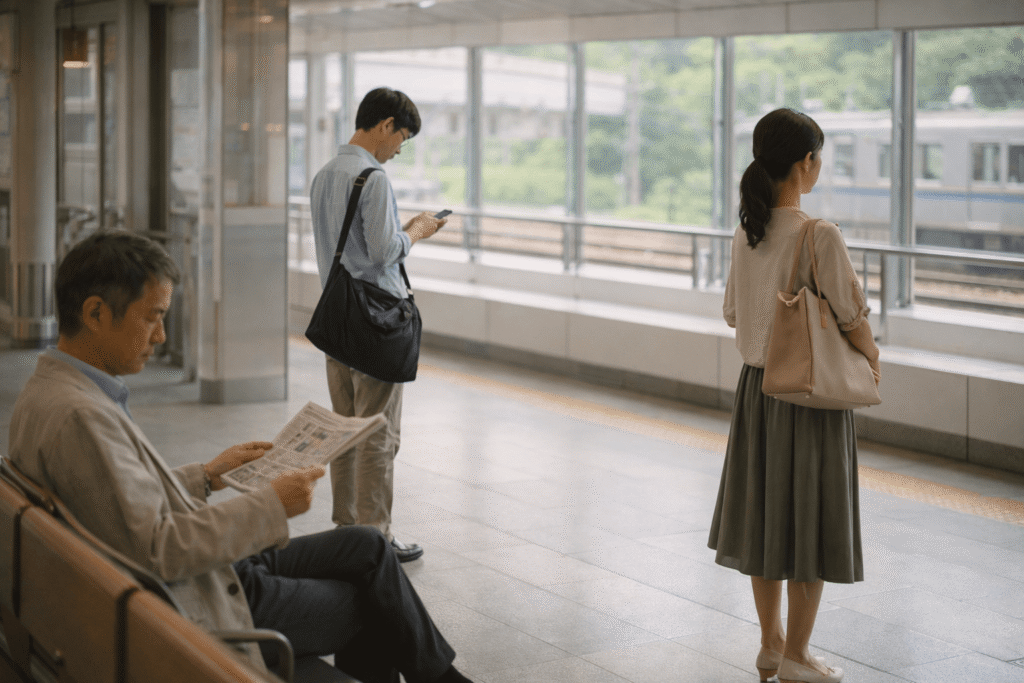
One reason silence matters in Japan is that many spaces are shared very closely.
Trains, stations, waiting areas, elevators, sidewalks, and restaurants often place strangers near each other. In that kind of environment, keeping noise low makes the space easier for everyone to use.
Silence helps people move through public life with less friction.
It lowers the feeling that someone else is forcing their mood into the shared space.
Quiet behavior reduces social friction
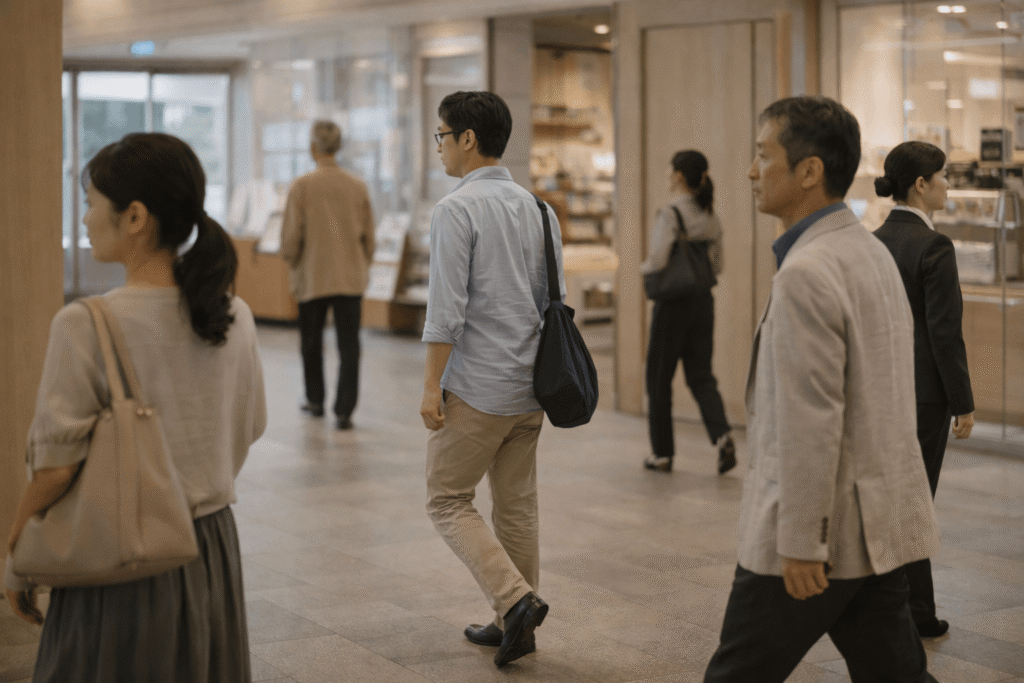
Another reason is that quiet behavior makes everyday interaction more predictable.
When people keep their voices moderate, avoid unnecessary disruption, and read the mood of the place, the whole environment feels smoother.
That does not mean every person is silent all the time. It means public behavior is often adjusted to keep the atmosphere stable.
That stability matters. It helps people feel less tension around strangers.
Silence is often read as respect, not coldness
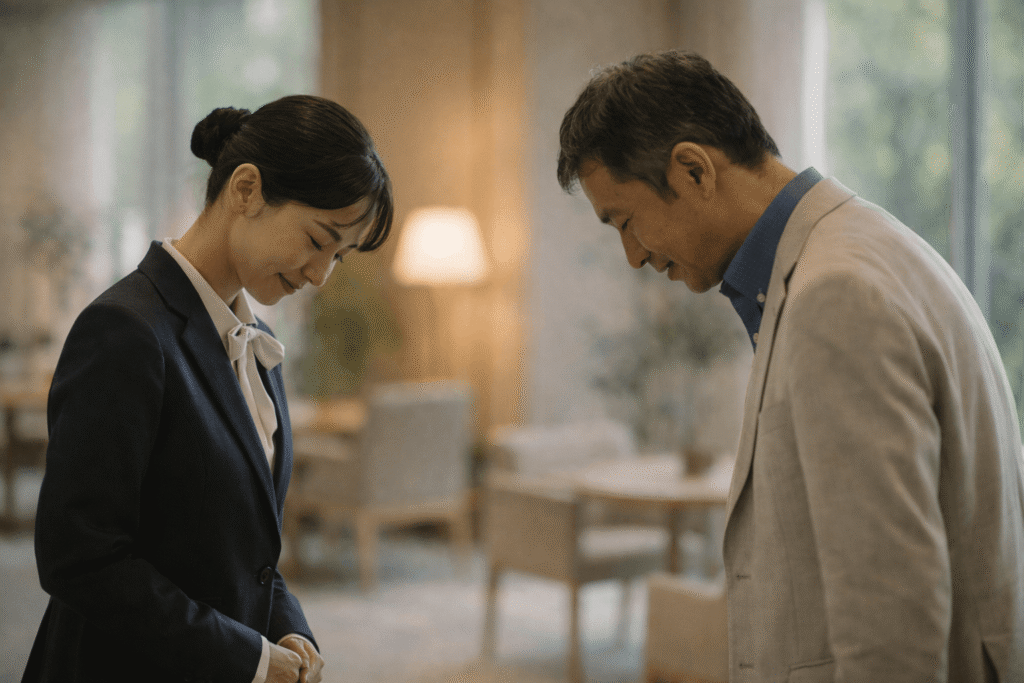
For some visitors, quietness can first look distant.
But in Japan, it is often read differently. A quiet tone, a calm response, or a restrained public presence may signal respect rather than indifference.
The idea is not always to express yourself as strongly as possible. Often, it is to leave enough space for other people too.
That is one reason silence can feel socially meaningful.
It also contributes to the feeling of safety
Silence in Japan is connected to safety as well as politeness.
When public spaces feel less aggressive, less loud, and less emotionally unpredictable, many people experience them as safer.
This does not mean silence alone creates safety. But it contributes to an atmosphere where people can relax more easily.
That is why quietness and safety are so often linked in the minds of visitors.
Final thoughts
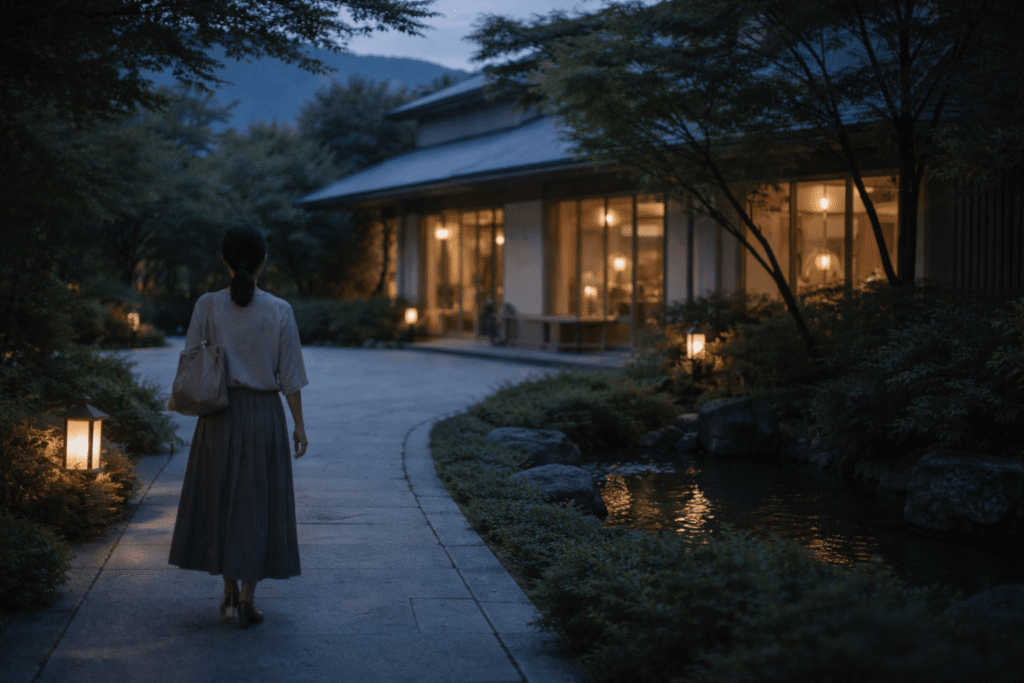
Silence matters in Japan not because people have nothing to say, but because quiet behavior often helps shared life work more smoothly.
It reduces social friction, shows respect, and supports a calmer sense of public space.
That is why silence in Japan often feels less like absence, and more like social care.