
In Japan, tipping is not usually seen as necessary, and in some situations it can even feel awkward or rude. This article explains why, focusing on service culture, social expectations, and the meaning of politeness.
Why Tipping Can Feel Strange in Japan
In many countries, tipping is a polite gesture.
It can mean “thank you,” “you did a good job,” or “I appreciate the service.” That is why some visitors are surprised when tipping in Japan feels unnecessary, uncomfortable, or even slightly rude.
So why can tipping feel rude in Japan?
The answer is not that kindness is unwelcome. It is that the meaning of service and politeness is different.
In Japan, service is expected to be respectful from the start
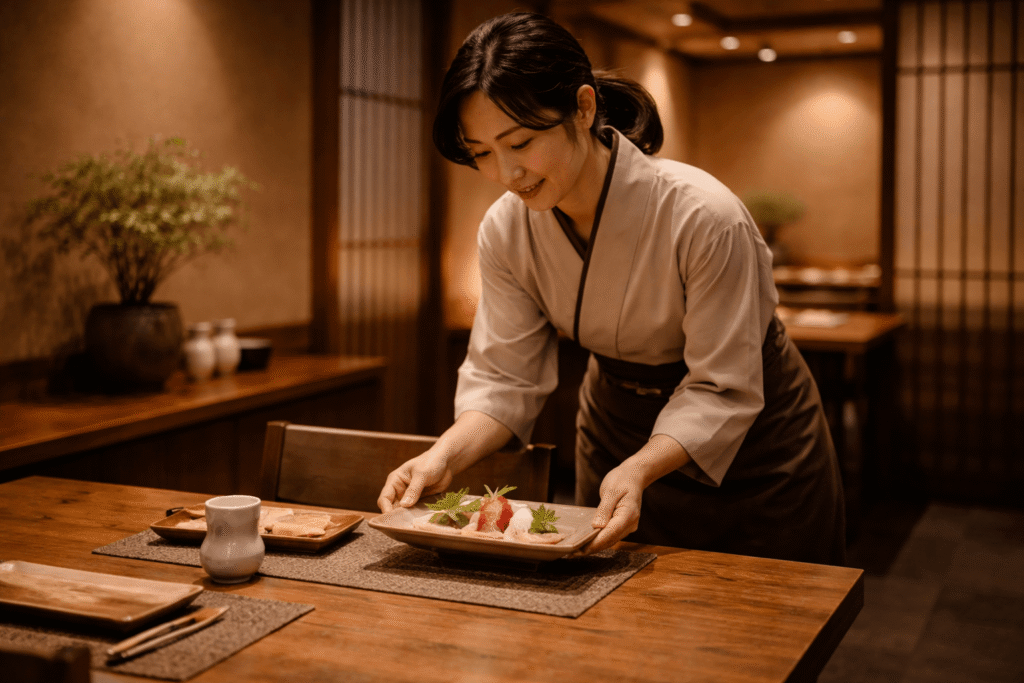
One reason tipping can feel strange in Japan is that good service is often treated as the standard, not as something extra.
Customers are generally not expected to pay additional money in order to receive politeness, attention, or care. Those things are already assumed to be part of the experience.
Because of that, a tip can sometimes send the wrong message.
It may suggest that good service was unusual, or that normal professionalism needs special reward.
Extra money can disturb the expected pattern
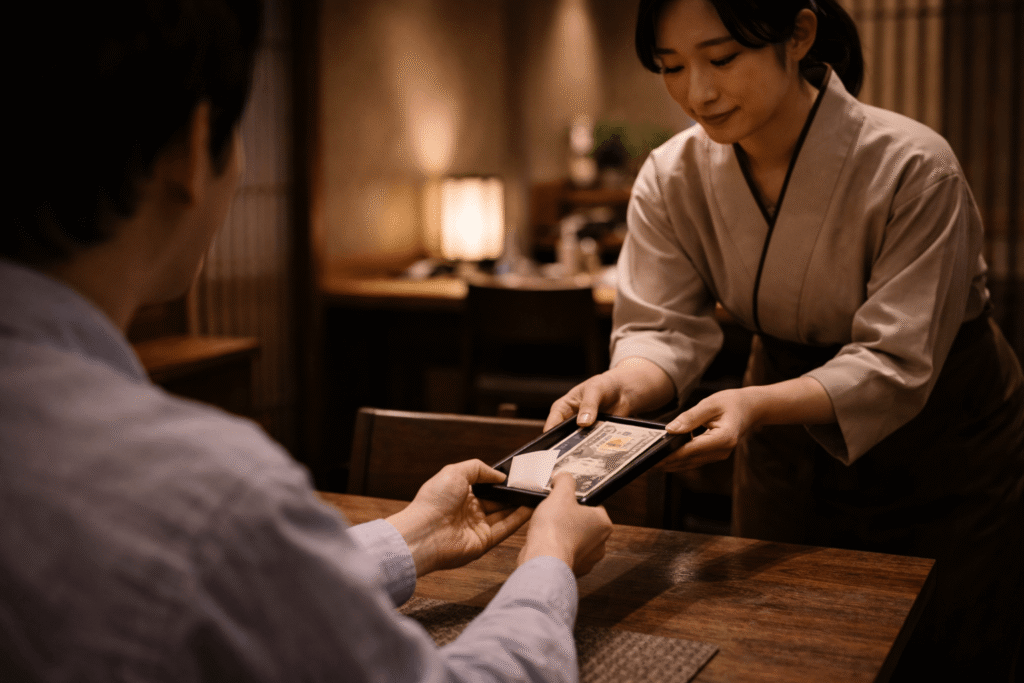
Another reason is that transactions in Japan are often expected to feel complete once the bill is paid.
The price on the bill is usually treated as the final price. Service, payment, and respect are all expected to stay inside that structure.
When extra cash appears after that, it can feel outside the normal pattern.
That does not always create offense, but it can create discomfort.
What feels polite in one country may feel awkward in another
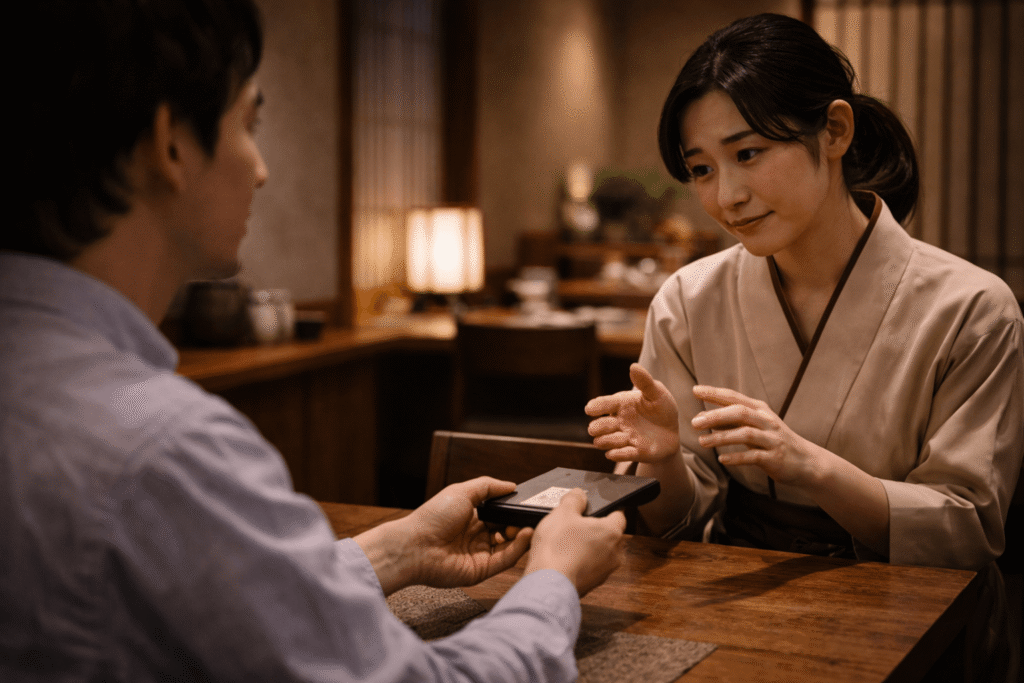
This is really about cultural mismatch.
In one country, offering extra money may feel warm and generous. In another, it may feel unnecessary or slightly out of place.
A staff member in Japan may hesitate, politely refuse, or look unsure what to do. That reaction is often not anger. It is uncertainty.
The social meaning of the gesture does not translate directly.
Respect is often shown in other ways
In Japan, gratitude is often shown through words, tone, and behavior rather than through extra payment.
A sincere thank you, a respectful attitude, and a smooth interaction often fit the culture better than tipping.
That is why tipping can sometimes feel less like kindness and more like a disruption of the expected relationship.
Final thoughts
Tipping can feel rude in Japan not because appreciation is wrong, but because service is already built into the experience and politeness is expressed differently.
What feels respectful in one culture may feel awkward in another.
In Japan, the most natural way to show appreciation is often simple:
be polite, say thank you, and respect the shared atmosphere.